Reader-supported: As an Amazon Associate I earn from qualifying purchases, and some links go to eBay through its partner program. The picks are mine, affiliates don't pay for placement and don't shape what I recommend.
That is not a real Kidde item number. It circulated online, including on this page before 08-30-2026, and no Kidde catalog or retailer has ever listed it. The alarm it described is the Kidde Detect 30CUD10, item 21031514, and that is the product this review now covers. Specs, price, and buying links below are corrected against Kidde's official product data sheet and current retailer pricing.
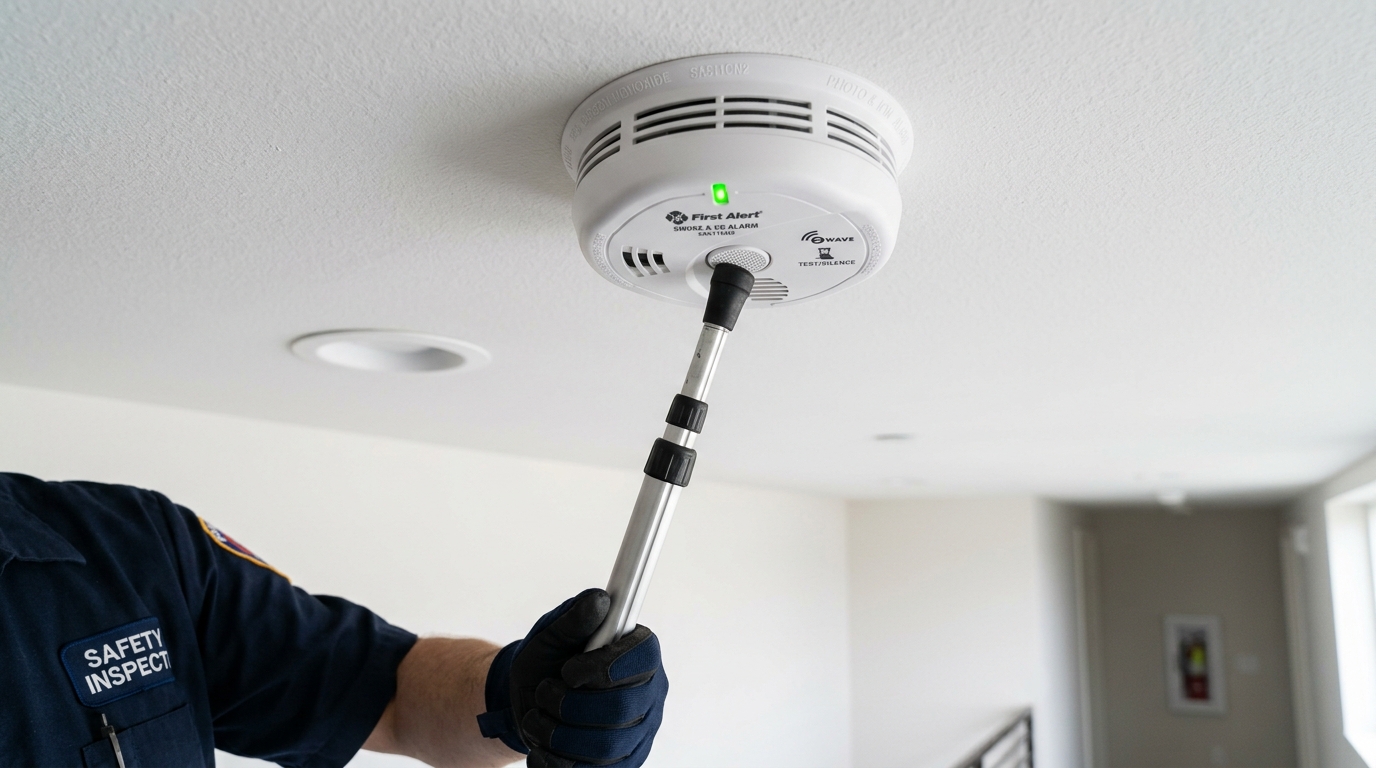
Smoke: Photoelectric (UL 217 9th Ed anti-nuisance).
CO: Electrochemical (UL 2034).
Battery: 10-year sealed lithium (no battery swaps).
Smart: Non-smart standalone (zero Wi-Fi/app hassle).
Cost: ~$55–$65 (vs $130+ for smart alarms).
Verdict: Ideal set-and-forget replacement for bedrooms.
The verdict
Specs at a glance
| Spec | Value |
|---|---|
| Model / item | Detect 30CUD10 / 21031514 |
| Sensor type (smoke) | Photoelectric |
| Sensor type (CO) | Electrochemical |
| Power | 10-year sealed lithium battery (non-replaceable) |
| UL listing | UL 217 (smoke), UL 2034 (CO) |
| Service life | 10 years after the unit is powered |
| Interconnect | None (standalone unit) |
| Mounting | Any ceiling or wall surface, per placement guidelines |
| Alarm volume | 85 dB at 10 feet (NFPA 72 minimum) |
| Dimensions | 5" W x 5" H x 2" D, square housing |
| Smart features | None, intentionally |
| Pricing tier | Mid-range · Check live price |
What's great
- The sealed-battery design solves the real problem. The leading cause of home smoke alarm failure isn't a defective alarm, it's a battery that wasn't replaced. NFPA reports show that in homes where smoke alarms failed during a fire, the most common reason was a missing or dead battery. A 10-year sealed unit eliminates the failure mode by removing the user from the maintenance loop entirely.
- Combo design is the right architecture for modern homes. One ceiling penetration, one device to track, one set of mounting hardware. Smoke and CO sensors monitor different threats, but both need to be near the people who breathe.
- Reliable end-of-life signaling. There are no low-battery chirps on this unit at all, the battery outlives the alarm. The only chirp you'll ever hear is end-of-life: two chirps plus amber LED flashes per minute, telling you the 10 years are up and the unit needs replacing. The multi-color LEDs also separate states at a glance, green standby, amber fault, red alarm. (For diagnosing chirping in general, see our smoke alarm chirping diagnosis page.)
- Volume. 85 dB at 10 feet, meets NFPA 72 minimum and is loud enough to wake adults through a closed bedroom door. Not loud enough to wake some deep-sleeping children, which is why interconnected systems are valuable in multi-bedroom homes, but for a standalone alarm, the volume is correct.
- Price-to-coverage ratio. Outfitting a 3-bedroom home properly (4-6 units) costs ~$220-$420 total at $55-$70 per unit. The First Alert SC5 covering the same footprint runs $520-$780. For households that need life-safety coverage and won't use smart features, the math is clear.
What to know before buying
The 30CUD10's smoke sensor is photoelectric. A light beam sits inside the chamber, visible smoke crosses it and scatters light onto a sensor, and the alarm trips. Slow smoldering fires, a couch cushion ignited by a fallen cigarette, a frayed extension cord behind furniture, an overheated wall outlet, produce exactly that kind of visible smoke, and photoelectric sensing may detect it sooner than ionization sensing does. NFPA reports that 52 percent of home fire deaths come from fires reported between 11 p.m. and 7 a.m., while people sleep, and photoelectric sensors respond faster to smoldering fires. That is the sensor you want running overnight, which makes the 30CUD10 a strong bedroom and living-area unit.
The flip side: ionization sensing may detect the invisible particles of a fast flaming fire, grease, paper, fuel, sooner than photoelectric does. Kidde's own data sheet passes along the industry-expert recommendation to install both types, so the home is covered for the different fires it can produce. Two more things from the sheet worth knowing: Kidde claims the enhanced sensing reduces the false alarms cooking usually causes, and if a nuisance alarm does trip, the hush feature silences it for roughly 8 to 10 minutes.
The plan: Put the 30CUD10 in bedrooms, in hallways outside sleeping areas, and in living rooms, where smoldering fires start and where people sleep. Then add ionization or dual-sensor coverage near the kitchen and garage, where fast flaming fires are the bigger risk.
- No interconnect. If you want all alarms in the house to sound when one detects something, the 30CUD10 cannot do that. Look at the First Alert SA511CN2-3ST wireless interconnect 3-pack, or the Kidde hardwired KN-COSM-IBA if you have alarm circuit wiring.
- No smart features. No phone alerts when you're away from home. No remote silence for nuisance alarms. No self-test history. If those matter, see the smart smoke alarms buying guide for picks that do those things.
- The 10-year clock starts when the unit is powered. Per Kidde's data sheet, the alarm reminds you to replace it 10 years after it's powered, and it powers on when you twist it onto the bracket. Still check the manufacture date on the back when it arrives. Sensors age on the shelf too, and retailers occasionally ship old inventory. If the unit you receive is more than 12 months old, return it and request fresh stock.
Field-pattern note, three things I've seen go wrong
I've installed enough of these to see the same three issues come up. None are defects. All are install-time decisions.
- Mounting too close to the kitchen. Homeowner installs the alarm 6 feet from the stove because that's where the structural ceiling joist is. Result: nuisance alarms every time anyone sautes onions. After the third nuisance event, the household stops trusting the alarm, sometimes pulls it down. Mount 10+ feet from the stove or use a stand-off bracket. NFPA 72 specifies 10 feet minimum.
- Mounting in a dead-air corner. The 30CUD10 needs at least 4 inches of clearance from the nearest wall. People install it right up against the wall-ceiling joint and it sits in an air-current dead zone where smoke doesn't reach. The unit can be perfectly functional and still miss smoke that's three feet away because the smoke went the other direction. Center the mount in the room, or at least 4-12 inches off any wall.
- Mounting near forced-air registers. HVAC supply registers blow conditioned air across the ceiling. That air dilutes any smoke in the room before the alarm sees it. The alarm is functional but blind. Move it at least 3 feet from any register. This one bites more than people expect, modern open-plan homes often have registers within 2-3 feet of the closest mount-able ceiling spot.
Installation, what's involved
- Pick your mount points. One per bedroom, one outside each sleeping area in the hallway, one per additional floor, one in the basement. NOT in the kitchen, NOT in the bathroom, NOT within 10 feet of a cooking appliance.
- Check the manufacture date. Pull a unit out of the box. The date is on the back, typically a 4-digit code (MMYY). If any unit is more than 12 months old at delivery, return for fresh stock.
- Write the install date on the back. Use a Sharpie. Write the month and year you installed it. In 10 years, future-you (or future-someone) will be able to verify when this unit reaches end-of-life without doing math.
- Mount the bracket to the ceiling. Most installs use drywall anchors. The bracket comes with the screws. Center it in the room, at least 4 inches from any wall.
- Twist the unit onto the bracket. Quarter-turn lock. The unit activates when it engages the bracket, no separate power switch to forget.
- Test immediately. Press and hold the test button on the front. The unit will alarm briefly. Then keep testing, Kidde's data sheet says a button test once per week, even though the unit self-tests internally.
Who should buy the 30CUD10
- You want code-compliant smoke + CO coverage without the smart-alarm price
- You're outfitting bedrooms, hallways, or living areas (where smoldering fires are the dominant overnight risk, and photoelectric is the right sensor)
- You don't have reliable Wi-Fi or don't want phone alerts
- You're a landlord covering rental units cost-effectively while meeting code
- You're replacing expired alarms and don't have time or budget to research the smart category
- You're covering a kitchen or garage only and want the fastest response to fast flaming fires (use ionization or dual-sensor there, or add one alongside this)
- You want phone alerts when you're traveling
- You want all alarms in the house to sound when one detects (need interconnected units)
- You have an aging parent in another home and need remote monitoring
Alternatives
- Best smart smoke alarms 2026 buying guide, if you want phone alerts and smart-home integration.
- Kidde Smart Smoke + CO Alarm, same brand, same general design, Wi-Fi added. ~$75. If you want smart features but want to stay in the Kidde ecosystem.
- First Alert SC5, ~$130, Google Home compatible, official Nest Protect replacement.
- First Alert SA511CN2-3ST, ~$110 for 3, wireless interconnect, photoelectric, no Wi-Fi. The "I want all alarms to sound together but I don't need phone alerts" pick.
- Kidde Detect 30CUD10 on Amazon — check current price on Amazon. For a 3-bedroom home, buy 4-6 units (bedrooms + hallway + per-floor coverage).
- Kidde Detect 30CUD10 on eBay, buy new listings only, sensors age on the shelf and old stock costs you useful life.
- Kidde direct, same product family, occasional manufacturer rebates.
Related diagnoses
FAQ
Is Kidde 21029778 a real model number?
No. Kidde has never listed that item number, and no retailer has ever stocked it. It circulated online, including on this page before 08-30-2026. The alarm it described is the Kidde Detect 30CUD10, item 21031514, a photoelectric smoke + CO combo with a 10-year sealed battery. That is the unit this review covers.
Is the Kidde Detect 30CUD10 a good smoke alarm?
Yes. It's a UL-listed 10-year sealed combo smoke + CO alarm at around $60 per unit. The smoke side is photoelectric, the sensor type that detects slow smoldering fires (upholstery, electrical wiring) sooner. Those are the fires that kill people overnight, so this unit is a strong fit for bedrooms and living areas. The gap is fast flaming fires, which ionization sensing may catch sooner. Industry guidance is to have both types in the home.
How long does the Kidde 30CUD10 last?
10 years from the day it's powered, per Kidde's data sheet. The unit activates when you twist it onto the bracket, and it beeps to tell you to replace it 10 years later. The lithium battery is sealed and non-replaceable. Replace the entire set at once. Alarms in the same home are typically the same age and will fail close together.
Can I replace the battery in a Kidde 30CUD10?
No. The 30CUD10 has a 10-year sealed lithium battery, and Kidde's sheet says there are no low-battery chirps at all. The unit is designed to be replaced as a whole at end-of-life. The end-of-life signal is two chirps plus amber LED flashes per minute. If you're hearing that, the unit is telling you it's done. Replace it.
What's the difference between the Kidde 30CUD10 and the Kidde KN-COSM-IBA?
The KN-COSM-IBA is a hardwired (120V) Kidde combo alarm with battery backup, it interconnects with other hardwired Kidde alarms via 3-wire. The 30CUD10 is battery-only with a 10-year sealed lithium battery and does NOT interconnect. Pick the hardwired model if you have existing alarm circuit wiring. Pick the 30CUD10 if you don't and you want a no-wire-pulling install.
Is a photoelectric alarm enough for a bedroom?
It's the right primary choice. NFPA reports that 52 percent of home fire deaths come from fires reported between 11 p.m. and 7 a.m., while people sleep, and photoelectric sensors respond faster to slow smoldering fires, a mattress, an overheated outlet behind furniture, an upholstered chair. That makes the 30CUD10 a good bedroom unit. For the fullest coverage, industry experts recommend having both photoelectric and ionization alarms in the home, since ionization may catch fast flaming fires sooner.
Where should I mount the Kidde 30CUD10?
Ceiling-mounted, at least 4 inches from the nearest wall (to avoid dead-air corners). 10+ feet from cooking appliances to reduce nuisance alarms. 10+ feet from bathroom doors to avoid steam triggers. One per sleeping area, plus one outside each sleeping area, plus one per additional floor including the basement. Avoid mounting near HVAC supply registers (forced air dilutes smoke before the sensor sees it) or ceiling fans.
Does the Kidde 30CUD10 have Wi-Fi?
No. The 30CUD10 is intentionally non-smart, no Wi-Fi, no app, no phone alerts. If you want smart features, look at the Kidde Smart Smoke + CO Alarm (a different SKU) or the First Alert SC5. The 30CUD10 sells on reliability and simplicity at a lower price, not smart-home integration.
How do I test the Kidde 30CUD10?
Press and hold the test button on the front of the unit. The unit will alarm briefly to confirm the speaker, sensor circuitry, and battery are all functioning. Kidde's data sheet says to button-test once per week, even though the unit also self-tests internally. If the test alarm sounds weak, the unit is approaching end-of-life regardless of age, replace it. Do NOT test with actual smoke. This can damage the sensor.